- Jun 7, 2025
9 Herbs for Prostate Health: Natural Support for Longevity
- Health Coach Collaborative
- 0 comments
Prostate health becomes an increasing concern as men age, with conditions like benign prostatic hyperplasia (BPH) and prostate cancer affecting millions worldwide. While medical treatments exist, many men seek natural ways to support prostate function, reduce inflammation, and manage urinary symptoms. Fortunately, certain herbs and plant-based compounds have shown promise in research for their ability to promote prostate health, ease discomfort, and possibly reduce the risk of disease progression.
Incorporating these herbs into your diet or supplement regimen may help support long-term prostate function and overall well-being.
1. Saw Palmetto (Serenoa repens)
Saw palmetto is one of the most extensively studied herbal remedies for BPH, widely used for reducing urinary symptoms associated with an enlarged prostate. It works by blocking 5-alpha-reductase, the enzyme responsible for converting testosterone into dihydrotestosterone (DHT)—a hormone linked to prostate growth and inflammation.
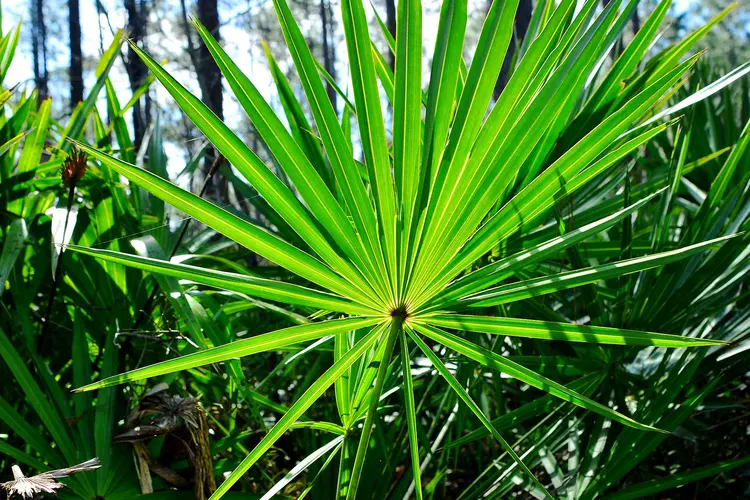
Saw Palmetto plant
A meta-analysis published in the journal Urology found that saw palmetto extract may improve urinary flow and reduce nighttime urination in men with BPH. While results vary between studies, many men report significant symptom relief with long-term use.
2. Pygeum (Pygeum africanum)
Derived from the bark of the African cherry tree, pygeum has a long history of use for reducing prostate inflammation and improving urinary symptoms. Research indicates it may help reduce nocturia (frequent nighttime urination) and improve urinary flow, making it a popular natural treatment for BPH.
A study in The Cochrane Database of Systematic Reviews found that men supplementing with pygeum experienced fewer urinary difficulties compared to a placebo group, suggesting its potential effectiveness in supporting prostate function.
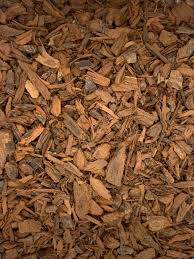
Pygeum bark
3. Stinging Nettle Root (Urtica dioica)
While stinging nettle is commonly used for allergies, the root extract specifically benefits prostate health. Research suggests it may inhibit DHT from binding to prostate cells, reducing inflammation and improving urine flow.
A randomized controlled trial published in The Journal of Herbal Medicine reported that men with BPH who took stinging nettle root had fewer urinary symptoms and improved bladder emptying compared to those who did not use the supplement.
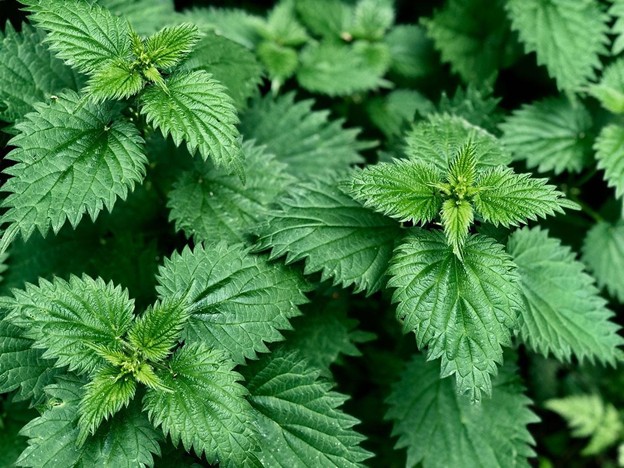
Stinging Nettle
4. Turmeric (Curcuma longa)
Turmeric is rich in curcumin, a powerful anti-inflammatory and antioxidant compound. Some studies suggest curcumin may inhibit prostate cancer cell growth while also helping to reduce inflammation related to BPH.
Research in Cancer Letters found that curcumin may slow prostate cancer progression by targeting inflammatory pathways involved in tumour development. Including turmeric in your diet—or taking curcumin supplements—may provide protective effects for long-term prostate health.
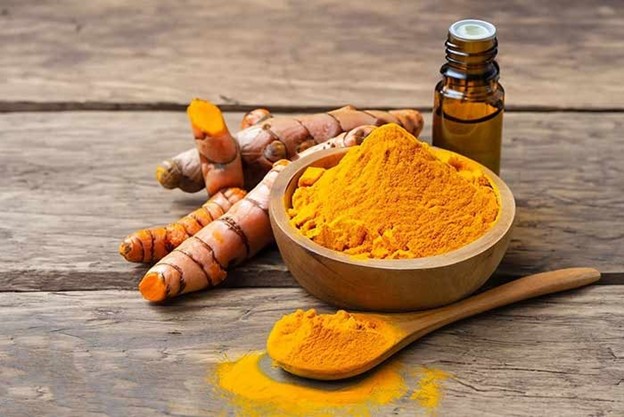
Turmeric
5. Green Tea (Camellia sinensis)
Green tea contains catechins, specifically epigallocatechin gallate (EGCG), which has been studied for its ability to support prostate function and reduce cancer risk.
A study published in The American Journal of Clinical Nutrition found that men who consumed green tea regularly had lower rates of prostate inflammation and oxidative damage, suggesting its potential for reducing prostate cancer risk.
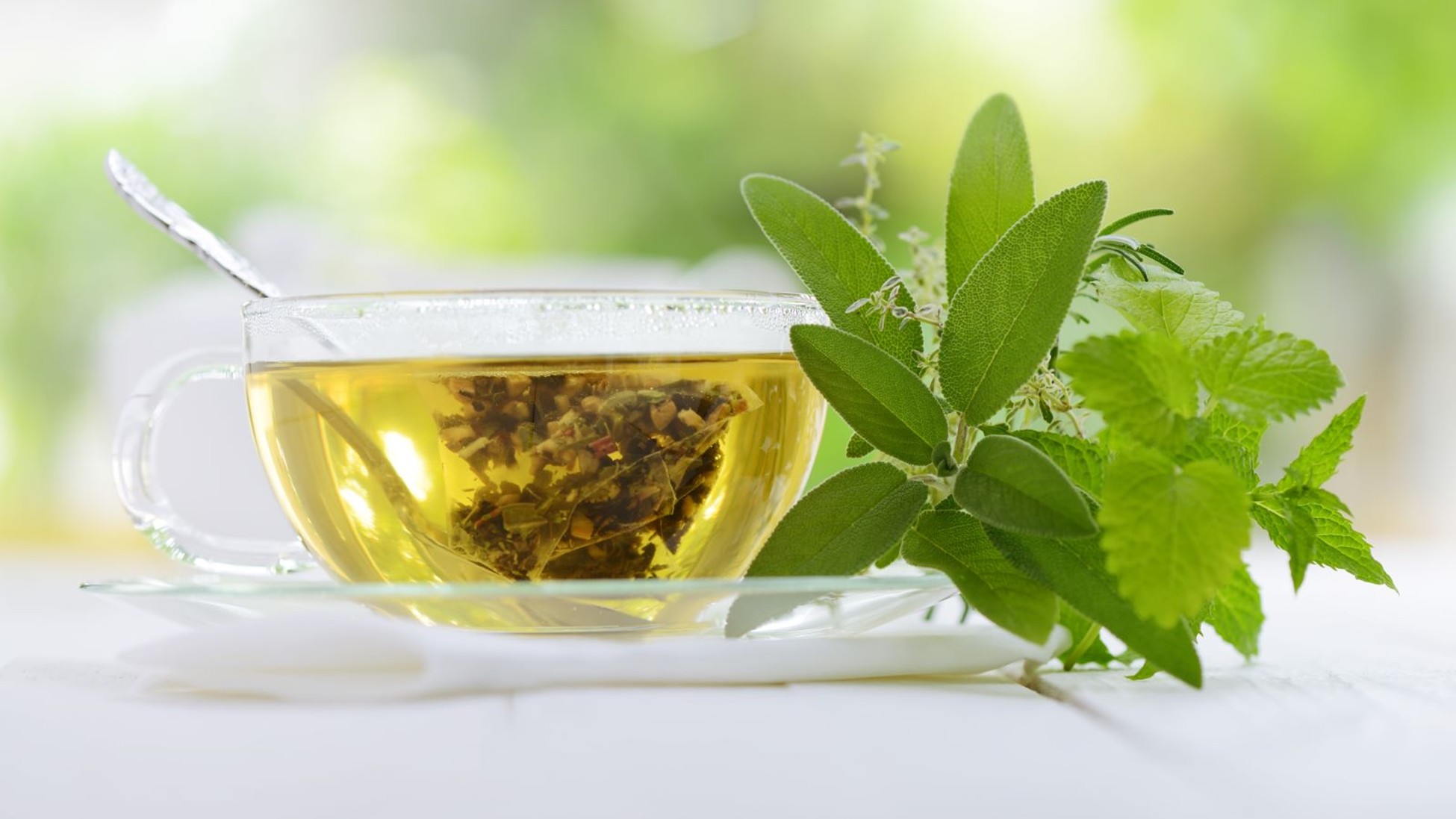
Green Tea
6. Pumpkin Seeds (Cucurbita pepo)
Pumpkin seeds are a natural source of phytosterols, compounds that may help shrink the prostate and improve urinary function in men with BPH. They also contain essential nutrients like zinc, which plays a role in prostate tissue health and hormone regulation.
A clinical trial in The British Journal of Urology found that men supplementing with pumpkin seed extract experienced a decrease in urinary symptoms and improved bladder function over time.
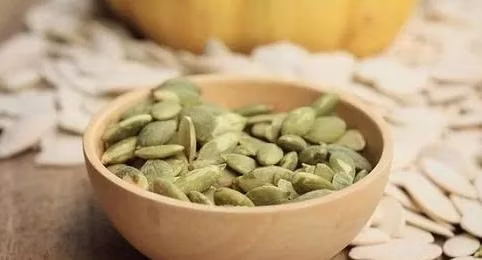
Pumpkin Seeds
7. Rye Grass Pollen Extract (Secale cereale)
This extract has been studied for its ability to relieve BPH symptoms and improve urinary function. Research suggests it helps reduce inflammation and improve bladder emptying, making it a promising natural therapy.
A study published in Urology found that men taking rye grass pollen extract experienced symptom relief similar to those using pharmaceutical treatments, without the common side effects of medication.
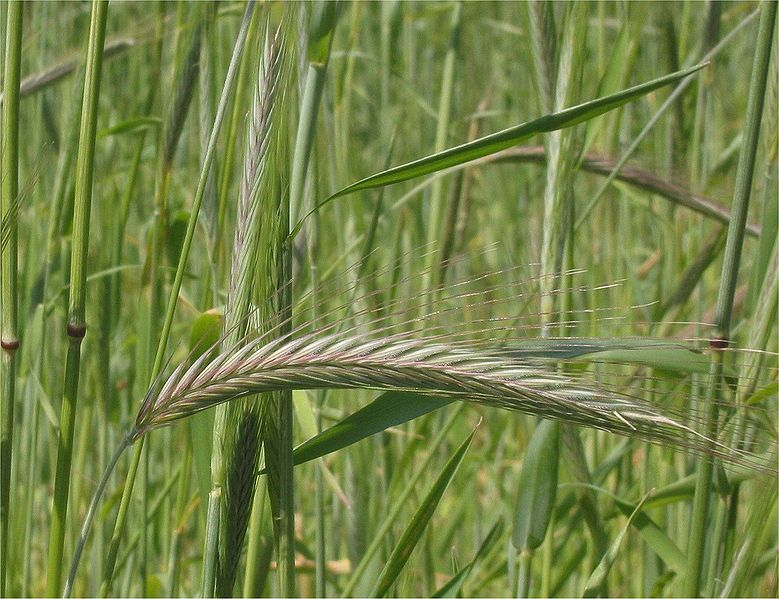
Rye Grass
8. Reishi Mushroom (Ganoderma lucidum)
Reishi mushroom is known for its immune-modulating and anti-inflammatory properties. Preliminary research suggests it may help suppress prostate tumour growth and support overall prostate function.
A study in Cancer Science found that reishi extract inhibited the growth of prostate cancer cells in lab studies, highlighting its potential as a natural cancer-supportive therapy.
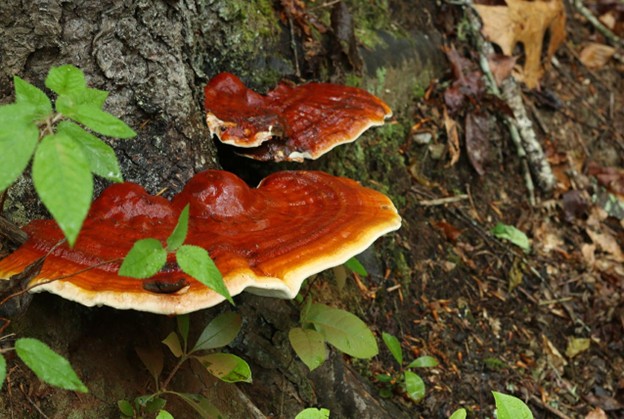
Reishi Mushrooms
9. Pomegranate (Punica granatum)
Rich in polyphenols and ellagitannins, pomegranate has demonstrated anti-cancer effects in lab studies, particularly against prostate cancer.
Research in Molecular Nutrition & Food Research found that pomegranate extract slowed prostate cancer cell proliferation, supporting its role in prostate health and disease prevention.
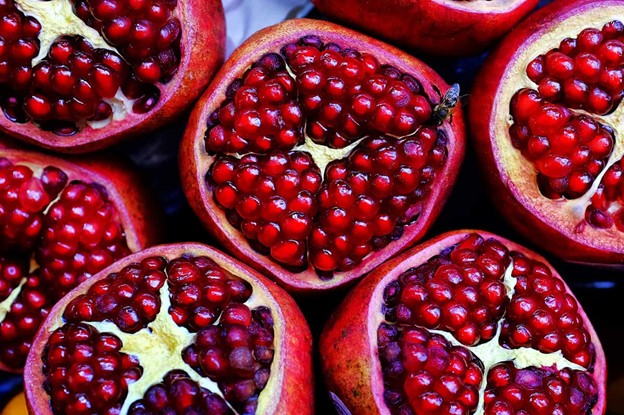
Pomegranate
The Bottom Line
If you're looking to naturally support prostate health, incorporating these herbs into your wellness routine may offer valuable benefits. Whether it's reducing inflammation, improving urinary function, or protecting against cancer, these herbs have promising research backing their effectiveness.
Disclaimer:
Before starting any herbal supplement regimen, consult your healthcare provider, especially if you have existing health conditions or are taking medications. While these herbs show potential benefits, individual responses may vary, and professional guidance ensures safe and effective use.
Are you interested in learning more about natural nutrition? The Health Coach Collaborative has courses and programs that will take your knowledge of natural nutrition and the benefits for whole body health to the next level! You can learn more HERE.